Reroof vs. New Roof: What Minnesota Homeowners Need to Know
In Minnesota, a "reroof" — adding new shingles over old ones without a tear-off — is no longer a standard option for most homes. Under the 2020 Minnesota Residential Code (R908.3), roof replacement must include removal of existing shingles down to the deck. If you've been quoted a reroof by someone who doesn't mention this, that's worth asking about.
The term "reroof" still gets searched constantly because homeowners have heard it's a cheaper option. And it used to be. But the rules changed — and working around them isn't just a code violation, it can void your shingle warranty, complicate your insurance claim, and leave you with a roof that fails sooner than it should.
Here's what the code says, why it matters, and how to make the right call for your specific situation.
What the 2020 Minnesota Code Actually Says
The 2020 Minnesota Residential Code — which governs roofing work statewide — is clear on this:

In plain terms: if you're getting a new roof in Minnesota, the old one has to come off first. There are narrow exceptions (more on those below), but for the vast majority of residential roofing projects, a full tear-off is required by law.
Why Did the Code Change?
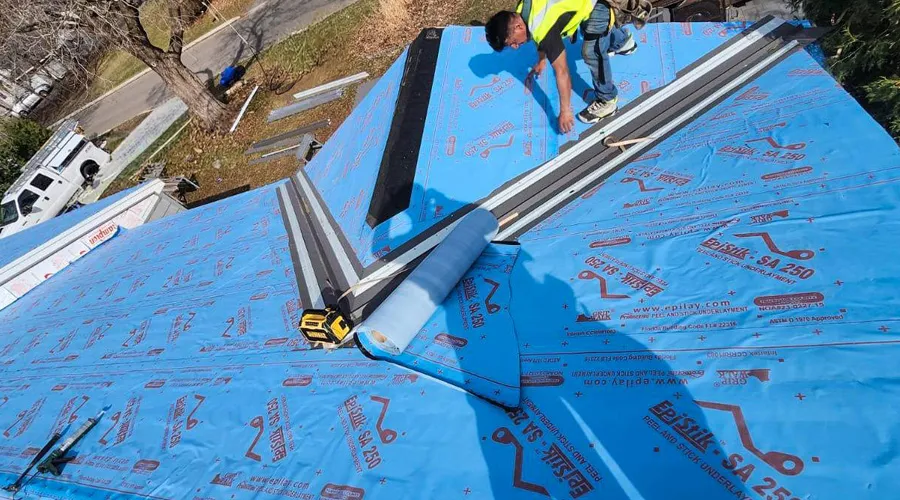
Minnesota adopted the 2020 Residential Code based on the 2018 International Residential Code, which tightened reroofing rules nationally. The driving reasons: layered shingles add significant weight to the structure, hide deck damage that needs to be found and fixed, and prevent proper inspection of underlayment and ice barrier — both critical in Minnesota's climate.
What Does This Mean for Homeowners?
It means any licensed, permitted roofing job in Minnesota should include a tear-off. If a contractor offers you a "reroof" or "overlay" as a standard option without discussing the code, they're either working without a permit or asking you to accept a code-noncompliant installation. Either way, that's a risk you'd be carrying — not them.
What About Warranties?
Most major shingle manufacturers — including Owens Corning and GAF — require installation per their specifications, which means proper underlayment, ice barrier, and fastening to a sound deck. Installing over an existing layer violates those specs and voids the manufacturer warranty. So even if the installation itself goes smoothly, you lose the coverage that makes quality shingles worth paying for.
When Is an Overlay Still Permitted?
The code does technically allow roof recovering (overlaying) under R908.3.1 in a narrow set of conditions — but these exceptions are rarely applicable and require prior building department approval. We don't offer overlay installations. Here's what makes one permitted under the code, so you understand what to watch for if another contractor proposes it:


Not sure what's under your shingles?
That's exactly what a free inspection tells you. We'll assess your roof's current condition — deck, layers, underlayment, ice barrier — and give you a straight answer on what it needs and what it'll cost.
Overlay vs. Full Replacement: The Real Comparison
Even in the rare cases where an overlay is technically permitted, here's how it compares to a full replacement — so you can see why we only do tear-off replacements:

We Help You Figure Out What Your Roof Actually Needs
This is exactly what we do every day — walk homeowners through their options honestly, based on what we find on the roof. Whether it's a full residential replacement, a targeted repair, or a smaller structure like a garage or outbuilding, we'll come out, take a look, and give you a straight answer.
Reroof vs. New Roof FAQ
Is reroofing illegal in Minnesota?
Not exactly illegal — but the 2020 Minnesota Residential Code requires tear-off as the default for permitted roofing work. Overlays (adding shingles over existing ones) are only allowed under specific conditions and require prior approval from your local building department. In practice, the vast majority of residential roofing jobs in Minnesota require a full tear-off and replacement.
Why did Minnesota change the reroofing rules?
Minnesota adopted the 2020 Residential Code based on the 2018 International Residential Code, which tightened overlay rules nationally. The reasons are practical: layered shingles add structural load, prevent inspection of the deck and underlayment, and make it impossible to properly install ice barrier — a requirement in Minnesota's climate given our freeze-thaw cycles.
Will reroofing void my shingle warranty?
Yes — in almost all cases. Owens Corning, GAF, and most major manufacturers require installation per their specifications, which includes proper underlayment and ice barrier applied to a sound, inspected deck. Installing over an existing layer violates those requirements and voids the warranty. You'd be paying for quality shingles without any of the coverage that makes them worth it.
Can you look at my garage or outbuilding too?
Yes — we'll come out and assess any structure, not just the main house. Garages, sheds, outbuildings — the same code applies, and the same standard applies to how we work. We do full tear-off replacements and targeted repairs. We don't do overlays on any structure. If your garage needs attention, give us a call and we'll take a look.
What if a contractor offers me a reroof as a standard option?
Ask them directly whether the job will be permitted and whether it meets R908.3 of the 2020 Minnesota Residential Code. A contractor offering an overlay without addressing these questions is either working without a permit or unaware of the current code — either of which puts you at risk. A legitimate contractor will discuss the tear-off requirement upfront.
Is a full replacement really worth the extra cost?
For most Minnesota homeowners, yes. A full replacement gives you 25–30 years of coverage, a fully inspected and repaired deck, proper ice barrier installation, and manufacturer-backed warranties. It also protects your insurance coverage — a code-noncompliant roof can complicate storm damage claims. The upfront cost is higher, but you're getting a complete roof system, not a surface patch.
Still Have Questions? We're Easy to Talk To.
Whether it's your main roof, a garage, or something you're just not sure about — we'll come out, take an honest look, and tell you what we find. No commitment, no pressure.
Request a Free Inspection →